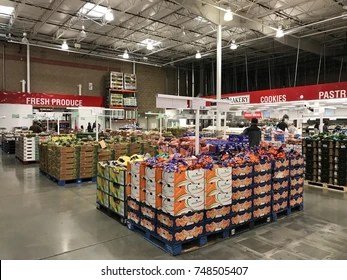
Navigating the modern retail landscape feels less like a simple shopping trip and more like a strategic mission. With options ranging from bulk buying at cavernous warehouses to the infinite scroll of online marketplaces and the familiar aisles of your neighborhood store, deciding where to spend your hard-earned money can be genuinely overwhelming. The big question often boils down to: is a Costco membership worth it vs. competitors like Sam's Club, Amazon Prime, or even your local grocer for the best retail value?
The answer, as with most things in life, isn't a simple yes or no. It hinges on your household size, shopping habits, proximity to stores, and what you truly value in a shopping experience. Let's cut through the noise and figure out which retail club — or combination thereof — will put the most savings and convenience in your pocket.
At a Glance: Who’s Best For You?
- Costco: Ideal for larger families, those who appreciate a curated selection of quality goods (often premium or organic), enjoy the "treasure hunt" experience, and value a strong house brand (Kirkland Signature) along with excellent services like optical and pharmacy.
- Sam's Club: A solid choice for budget-conscious shoppers, small to medium-sized families, and those seeking good deals on everyday essentials, often with a slight edge in "blue-collar" apparel. Their Plus membership offers compelling benefits.
- Amazon Prime: The ultimate winner for sheer convenience, unparalleled product breadth (millions of items!), streaming entertainment, and free expedited shipping. Best for those who primarily shop online and prioritize speed and variety.
- Local Grocers: Essential for small households, those prioritizing fresh, perishable goods, impulse buys, supporting local businesses, or needing quick, small fills without committing to bulk.
Unpacking the Memberships: Costs, Perks, and Core Philosophy
Before we dive into product specifics, let's lay out the basic entry fee and what you get upfront. Each of these retail giants wants a slice of your annual budget, but they offer different returns on that investment.
Membership Fees: Your Annual Ticket to Savings
Here’s a quick rundown of the annual costs to get in the door (as of current data):
- Costco:
- Gold Star (Standard): $60 per year. Access to all warehouses and gas stations, plus online shopping.
- Executive: $120 per year. Includes all Gold Star benefits plus 2% cash back on eligible Costco purchases (up to $1,000 annually) and additional savings on various services.
- Sam's Club:
- Club (Standard): $50 per year. Access to all warehouses, optical, pharmacy, tire & battery centers, and gas stations.
- Plus: $110 per year. Includes all Club benefits plus free shipping on most items, 2% cash back on qualifying purchases (up to $500 annually), early shopping hours, and free curbside pickup.
- Amazon Prime:
- Monthly: $14.99 per month ($179.88 annually).
- Annual: $139 per year. Includes free expedited shipping, Prime Video, Amazon Music, Prime Reading, exclusive deals, and more. Student and EBT/Medicaid discounts are available.
Expert Take: Sam's Club typically offers the lowest basic membership fee, which can be a deciding factor for some budget-focused shoppers. However, the true value often lies in the "Plus" or "Executive" tiers, which offer cash-back rewards that can quickly offset the higher fee if you spend enough.
The Shopping Experience: Aisles, Algorithms, and Ambience
How you like to shop plays a huge role in which club is best suited for you. Are you a "stroller," a "clicker," or a "grab-and-goer"?
In-Store vs. Online: A Tale of Two Shopping Styles
- Costco & Sam's Club (The Warehouse Vibe): Both offer a distinct in-store experience characterized by wide aisles, industrial shelving, and enormous packages. This is where the "discovery" element thrives. As shopping expert Julie Bodge notes, "Discovery is better at the wholesale clubs," since you can walk in and see the products for yourself. You'll find unexpected items, seasonal goods, and often highly appealing samples. However, Cynthia Cohen, founder of strategic consulting firm Impact 2040, warns these clubs are "expert at inducing impulse purchases with savvy product placement and enticing signage. You will stay longer and buy more than you planned the majority of the time."
- Amazon Prime (The Digital Realm): Amazon is the undisputed champion of online shopping. With millions of products just a click away, it offers unparalleled convenience. You can shop 24/7 from anywhere, and with Prime, many items arrive at your doorstep in a day or two without additional shipping costs. The downside? You can't physically examine products, and the sheer volume can sometimes be overwhelming. There's no "strolling through the aisles" in the traditional sense, though the algorithm tries its best to suggest new "discoveries."
Pickup & Delivery: The Modern Convenience Factor
The COVID-19 era accelerated the adoption of online order pickup and delivery, and all three major players have adapted:
- Amazon Prime: This is its bread and butter. Free expedited delivery is a core Prime perk. Additionally, Prime members in some areas can get free Amazon Fresh grocery delivery (with a minimum purchase) and free Whole Foods delivery.
- Sam's Club: Offers both curbside pickup and delivery services. Plus members often get free shipping on most items, adding significant value.
- Costco: Provides online ordering with delivery, though it's typically through third-party services for same-day delivery (with varying fees) or standard shipping for non-perishables. Curbside pickup is less universally available than at Sam's Club.
What's in Your Cart? A Category-by-Category Showdown
This is where the rubber meets the road. Different retailers excel in different product categories. Let's break down where each competitor truly shines.
1. Product Selection & Inventory Breadth
- Amazon Prime: With "millions of products available," Amazon boasts the most "democratized" offerings, as Cynthia Cohen describes. "Any brand can sell on it and virtually any person can buy using it." If you need it, Amazon probably has it.
- Costco: Typically carries about 4,000 products in-store, a highly curated selection. They focus on quality, often premium or organic goods, and their Kirkland Signature house brand is widely respected for its value and quality.
- Sam's Club: Declined to give a specific product number but likely carries more items than Costco, according to Cohen. They often have a slightly different product mix, sometimes catering to a more "blue-collar" demographic, but with plenty of crossover with Costco. Their Member's Mark house brand is also popular.
2. Fashion & Apparel
- Amazon Prime: A strong contender for name-brand fashion, kids' clothing, and sneakers. Its Prime Wardrobe program is a game-changer: you get a seven-day try-on period for up to eight items with free return shipping for what you don't keep. This eliminates the guesswork of online clothing purchases.
- Sam's Club: Cynthia Cohen notes that Sam's Club may have a slight edge in price and availability for blue-collar attire like work pants and flannel shirts.
- Costco: Known for carrying surprisingly high-quality apparel, often brand names, at excellent prices, though the selection is limited and rotates frequently. You might find anything from cashmere sweaters to designer jeans.
3. Electronics & Tech
- Amazon Prime: A go-to for fantastic deals on laptops, printers, TVs, and tech accessories like charging cords and cases, especially during sales events like Black Friday and Cyber Monday. The sheer variety is unmatched.
- Costco & Sam's Club: Both offer great electronics deals, but it's often on different models, making direct price comparisons tricky, according to Cohen. Warehouse clubs can be excellent for larger electronics like TVs due to competitive pricing and often extended warranty options.
4. Entertainment & Books
- Amazon Prime: Unbeatable for sheer range. Prime Video offers thousands of movies and TV shows, and Prime Music provides access to millions of songs. As Amazon started as a virtual bookstore, its variety and selection of books are unparalleled.
- Costco & Sam's Club: While their selection is limited, these clubs often offer better deals on individual book titles, especially recent best-sellers or special editions published specifically for warehouse club discounts, says Cohen.
5. Groceries & Pantry Staples
This is often the core reason people consider a warehouse membership.
- Costco & Sam's Club: These two are hard to beat for value on a wide range of groceries, particularly non-perishable foods like tuna, beans, peanut butter, canned soup, and boxed rice that you can buy in large quantities without spoilage concerns. Both have beloved house brands (Kirkland Signature and Member's Mark). Costco is also lauded for tailoring its food inventory to local markets (e.g., kosher selections) and, of course, its iconic $4.99 rotisserie chicken.
- Amazon Prime: While Amazon Fresh and Whole Foods delivery (for Prime members) offer convenience, the bulk deals at warehouse clubs often provide better value for large quantities. Amazon might be better if you frequently try new things and prefer smaller quantities, so you don't have to "buy a whole case," as Cohen puts it.
- Local Grocers: For fresh produce, smaller households, specialty items, and everyday perishable needs (milk, bread, single meal ingredients), your local grocery store remains king. You avoid bulk purchases that might go bad and can pick exactly what you need.
6. Health & Beauty
- Amazon Prime: Offers "enormous breadth and depth" in this category, with tens of thousands of cosmetics available, notes Daniel Howard, a marketing professor. You can buy in small amounts, perfect for trying new products.
- Costco & Sam's Club: Excellent for value pricing on large quantities of day-in, day-out products like shampoo, soap, and vitamins. However, Julie Bodge cautions about hidden costs: "Be sure you will use up those mega-bottles of vitamins or large sunscreen two-packs before their expiration dates... or what seemed like a great value in the aisle can end up being a waste."
- Local Grocers/Drugstores: Convenient for smaller, immediate needs or specific brands not carried in bulk.
7. Prescriptions & Optical
- Costco & Sam's Club: Both warehouse clubs consistently charge less for prescriptions than big drugstore and grocery chains, according to Consumer Reports. They offer additional savings for members, but importantly, anyone can purchase meds from their pharmacies, regardless of membership. They are also often your best bet for prescription glasses, offering value pricing and the convenience of meeting directly with optometrists on-site.
- Amazon Prime: Amazon acquired PillPack, an online pharmacy, in 2018, allowing any consumer to purchase meds. While it offers convenience, it doesn't have the in-person optical services of the warehouse clubs.
8. Travel Services & Special Perks
- Costco & Sam's Club: These clubs offer an array of members-only travel benefits, including discounts on cruises, rental cars, hotels, and theme parks. Howard notes discounts of 30% to 50% at major theme parks like Walt Disney World and Universal Orlando. While probably not worth joining just for these deals, they are a significant advantage over Amazon, which isn't a primary destination for discount travel.
- Amazon Prime: Does not offer direct travel services comparable to the warehouse clubs. Its perks are more focused on digital content and shopping.
Who Wins for Whom? Tailoring Your Choice to Your Lifestyle
No single retailer is the "best" for everyone. The true value comes from aligning a membership with your unique needs.
Costco is Your Champion If...
- You have a larger family or regularly entertain.
- You prioritize quality over quantity and appreciate a curated selection, often with premium, organic, or specialty items.
- You're a fan of Kirkland Signature products across various categories.
- You value excellent member services like low-cost gas, a top-tier optical department, and a cost-effective pharmacy.
- You enjoy the "treasure hunt" aspect of shopping and don't mind a limited, rotating inventory of non-grocery items.
- You live reasonably close to a Costco warehouse.
- You're considering a more in-depth analysis to truly understand its financial benefits, perhaps by asking Is Costco membership worth it?.
Sam's Club is Your Best Bet If...
- You're looking for the most affordable basic membership among the warehouse clubs.
- You're a budget-conscious shopper who needs bulk essentials without necessarily seeking premium brands.
- You appreciate free shipping and curbside pickup (especially with a Plus membership).
- You value access to good deals on items like workwear, everyday groceries, and pharmacy services.
- You live closer to a Sam's Club than a Costco.
- You benefit from early shopping hours (Plus membership).
Amazon Prime is Your Go-To If...
- You do the majority of your shopping online and prioritize convenience and speed.
- You want free expedited shipping on a vast array of products.
- You heavily use streaming services (video, music) and enjoy digital perks.
- You need access to an unparalleled selection across virtually every product category, including niche items.
- You prefer to buy products in smaller quantities or try new things without committing to bulk.
- You frequently order groceries for delivery (where Amazon Fresh/Whole Foods is available).
Don't Forget Your Local Grocer When...
- You live in a small household and bulk buying leads to waste.
- You need fresh, perishable produce, meat, and dairy on a regular basis.
- You're making a quick trip for just a few items or forgot something essential.
- You're looking for specialty ingredients or unique local products.
- You want to support local businesses and enjoy a more personal shopping experience.
- You don't want to pay an annual membership fee.
Making the Smart Switch: Key Decision Factors
Choosing the right membership (or combination) boils down to a few critical considerations:
- Household Size and Consumption: If you're feeding a family of five or regularly host large gatherings, bulk buying at Costco or Sam's Club makes financial sense. For single individuals or couples, bulk buys can often lead to waste unless carefully managed (remember the vitamin expiration warning!).
- Proximity and Convenience: How far is the nearest warehouse club? Is it conveniently located on your regular commute? Proximity significantly impacts whether the "hassle" of a warehouse trip is worth the savings. For online shopping, Amazon wins on convenience.
- Budget and Annual Savings Potential: Can the cash-back rewards or savings on specific products genuinely offset the membership fee? For instance, if you regularly fill your gas tank at Costco, the savings can quickly add up. If you're a heavy spender, the Executive or Plus memberships often pay for themselves.
- Shopping Preferences: Do you enjoy the physical act of shopping, the "treasure hunt" and discovery of new products in a warehouse? Or do you prefer the efficiency and vast selection of online shopping? Your preferred method will heavily influence your choice.
- Specific Product Needs: Do you need new eyeglasses or contacts every year? Do you take regular prescriptions? Do you plan theme park vacations? Access to these specific services can tilt the scales toward one retailer over another.
Your Personalized Retail Strategy: The Bottom Line
Ultimately, there isn't a one-size-fits-all answer. For many, the optimal strategy involves a hybrid approach.
- You might find great value in a Costco or Sam's Club membership for bulk pantry staples, gas, and household essentials, especially if you have a larger family.
- Supplementing that with Amazon Prime for the sheer convenience of online shopping, unique finds, electronics, entertainment, and quick deliveries fills in the gaps.
- And, of course, your local grocer remains indispensable for daily fresh produce, specialty items, and those "I just need one thing" trips.
Consider a trial period if available, or borrow a friend's membership card (where allowed) to get a feel for the store. Track your spending and needs for a month or two. By understanding your unique shopping habits and aligning them with the specific strengths of each retailer, you can craft a retail strategy that maximizes value, minimizes waste, and truly makes your money work harder for you. Happy shopping!